The best concrete contractors in San Diego are the ones who price for our ground, not just our square footage. That means they account for expansive clay soil, plan drainage before the pour, pull permits when the job needs them, and put it all in writing. A directory star rating won’t tell you that. This guide gives you the questions and the checklist to find a contractor who builds slabs that last in San Diego County, plus an honest look at how we work.
Why “best concrete contractor” means something different in San Diego
Most “best concrete contractor” lists are national directories. They show a star rating, a review count, and a quote button. None of that tells you whether the contractor understands the dirt under your house.
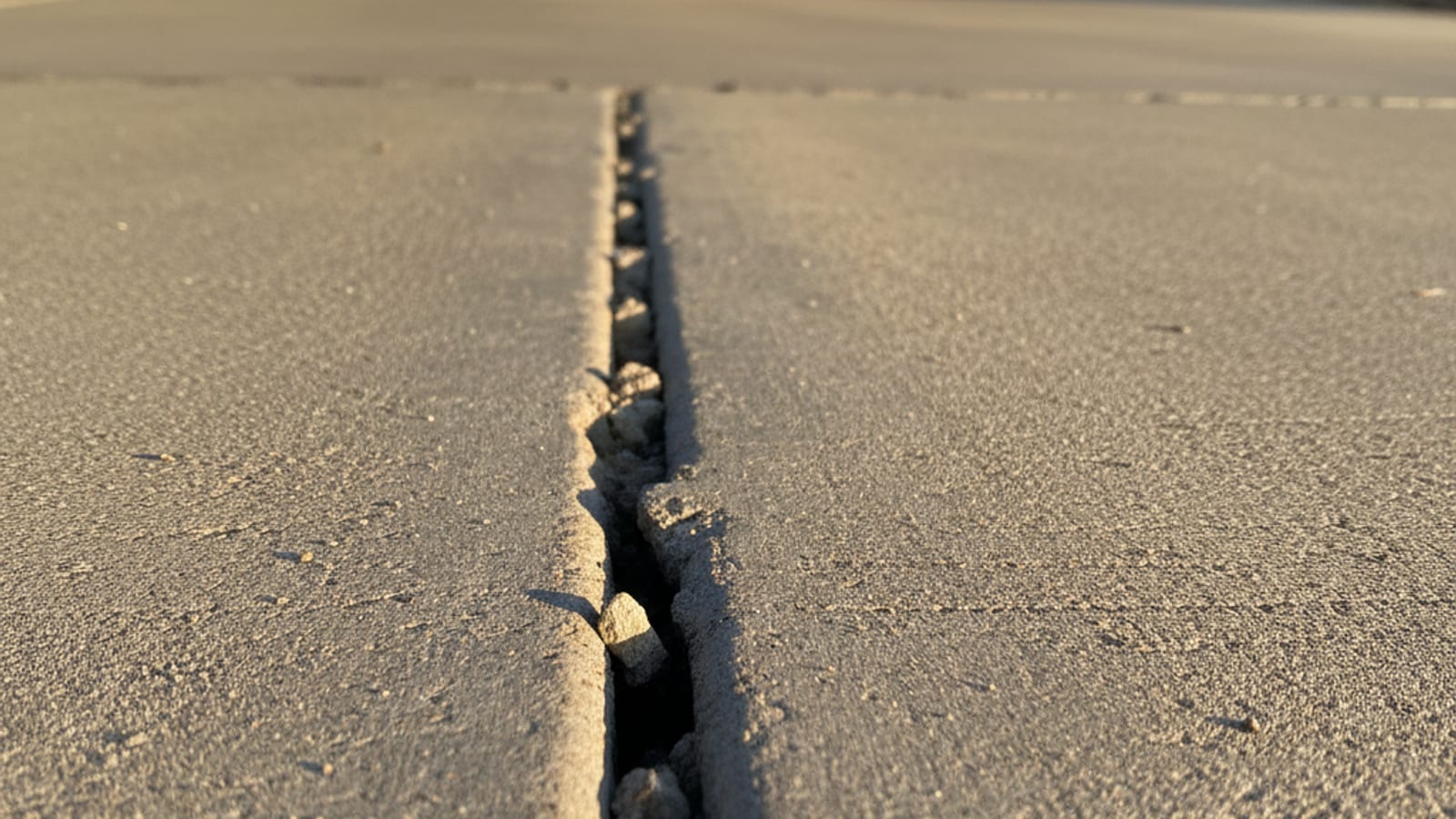
San Diego County has ground that punishes lazy concrete work. Inland neighborhoods sit on expansive clay that swells when wet and shrinks when dry. That movement cracks slabs that were poured straight onto native soil. Coastal areas add salt-laden air that corrodes rebar over time. We’re in seismic country, so foundations and retaining walls have real structural stakes. And our rain comes in short heavy bursts, which means drainage is a make-or-break detail.
A good contractor anywhere can finish concrete. The best concrete contractors in San Diego solve for those four conditions before the truck shows up.
A real vetting checklist for San Diego concrete work
Use this when you call around. The answers separate a real pro from someone who’ll pour and disappear.
- Did they measure onsite? Bids built from satellite photos miss thickness, access, and grade. The best contractors walk the job.
- Did they ask about your soil or drainage? If nobody mentions where water goes after a storm, that’s a red flag in San Diego.
- Is the base spec written down? Look for compacted Class II road base in 4-inch lifts, not “we’ll prep the ground.”
- Is reinforcement specified? Rebar size and spacing, or fiber mesh, should be on the bid. Vague reinforcement means corners get cut.
- Is the quote itemized? Demolition, haul-off, base, reinforcement, concrete, finish, and joints should each have a line. One lump sum hides where the savings came from.
- Do they handle permits? Retaining walls over a certain height and most foundation work need permits. The contractor should know which.
- Will they show recent local work? Photos of San Diego jobs beat a national review average every time.
How to vet ratings and reviews honestly
Star ratings on Angi, Yelp, and Google are a starting point, not an answer. Here’s how to read them without getting fooled.
Look for volume and recency. Ten detailed reviews from this year beat fifty from five years ago. Read the photos in reviews, not just the text. Concrete shows its quality in the finish and the joint lines. Watch for reviews that mention the things that actually fail here: cracking, settling, pooling water, lifting joints. A contractor with several “still flat after three winters” comments is telling you they understand San Diego ground.
Be skeptical of perfect scores with no detail. And remember that directory rankings often track ad spend, not craftsmanship.
A criteria table for comparing concrete contractors
When you’ve got two or three bids, score them on what matters here, not just price.
| What to compare | Weak contractor | The bar to look for |
|---|---|---|
| Site visit | Quotes off a photo | Measures onsite, checks grade |
| Soil and drainage | Not mentioned | Plans for clay movement and runoff |
| Base prep | ”We’ll prep it” | Compacted Class II in 4-inch lifts |
| Reinforcement | Vague | Rebar size or fiber mesh specified |
| Bid format | One lump sum | Line-itemed by phase |
| Permits | ”You handle that” | Knows what the job needs |
| Local proof | National reviews only | Recent San Diego job photos |
| Cracking plan | None | Control joints saw-cut within 24 hours |
The contractor who scores well across that table is usually worth a few hundred dollars more. Concrete is one of the few projects where the cheap bid costs more in five years.
What good concrete should cost in San Diego
Price ranges help you spot a bid that’s too good to be true. Across San Diego County in 2026, flatwork generally runs:
- Broom finish, standard reinforcement: $8 to $15 per square foot
- Exposed aggregate: $12 to $20 per square foot
- Stamped concrete with integral color: $14 to $22 per square foot
- Heavy-duty RV or commercial-rated: $14 to $22 per square foot
A bid far below the bottom of that range usually means thin concrete, skipped base prep, or no real reinforcement. Those are the exact shortcuts that fail on clay soil. For a full breakdown, see our concrete driveway cost guide for San Diego and our concrete patio cost guide.
How Slab Pro San Diego works
We’ll be straight about where we fit. We’re a concrete crew serving San Diego County, and we price for the ground we work on.
We measure every job onsite. We plan drainage before the pros we send pour. We spec the base and reinforcement on the bid so you can compare it line by line. We give upfront quotes, not moving targets. We work across the whole county, from coastal Carlsbad to East County, so we know how the soil and conditions shift between neighborhoods. When a job needs a permit, we tell you up front instead of leaving it for you to discover later.
What we won’t do is pad a bid with vague line items or promise the lowest price by cutting base prep. If you want to compare us against other bids, use the table above. We’re confident our work holds up against it.
If you’re weighing whether to fix or start over, our guide on repair versus replace walks through the decision. And if you need foundation or structural work, see our concrete foundations service.
Frequently asked questions
How do I find a reliable concrete contractor in San Diego?
Start with the vetting checklist above. The reliable ones measure onsite, ask about your soil and drainage, spec the base and reinforcement in writing, and show you recent local work. Cross-check their reviews for mentions of cracking and settling, since those are the failures that matter on San Diego clay.
Why do San Diego concrete slabs crack?
Most cracking traces back to expansive clay soil, not bad concrete. Clay swells when wet and shrinks when dry, and that movement breaks slabs poured without proper base prep, reinforcement, and control joints. Our guide on why driveways settle covers the soil side in detail.
Do concrete contractors in San Diego pull permits?
Good ones do, when the job requires it. Retaining walls above a set height and most foundation work need permits, and the contractor should know which. If they push the permit responsibility onto you without explanation, treat it as a warning sign.
Is the cheapest concrete bid ever the right choice?
Rarely. A bid well below the typical range usually means thin concrete, skipped base prep, or no real reinforcement. Those shortcuts are exactly what fails on expansive soil. Compare bids on the criteria table, not just the bottom line.
How long does new concrete take to be usable?
It depends on the use. Foot traffic is usually fine in a day or two, but full strength takes longer. See our explainer on concrete cure time for the real timeline.
Get an honest bid
If you want a quote that’s measured onsite and itemized so you can compare it fairly, give us a call at (858) 925-5546. We’ll tell you what your job actually needs for San Diego ground, no pressure and no padded line items.